복수 매매(Revenge Trading)는 손실 후 감정적으로 즉시 다시 거래하여 손실을 만회하려는 행동입니다. 분노·좌절·자존심이 원인이며, 대부분 더 큰 손실로 이어집니다. 손실 후 최소 1시간 이상 차트를 닫고, 손실 일지를 작성하며, 미리 정한 일일 손실 한도를 초과하면 그날 거래를 중단하는 규칙이 필요합니다. 복수 매매를 멈추는 것만으로도 장기적으로 수익이 크게 개선됩니다.
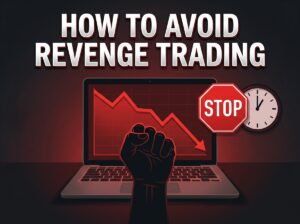
Losing money on a trade hurts. But what you do in the minutes immediately after that loss determines whether you become a disciplined trader or someone who blows up their entire account. Revenge trading is one of the most destructive habits in crypto, and almost every beginner falls into it at least once.
거래에서 돈을 잃는 것은 고통스럽습니다. 하지만 그 손실 직후 몇 분 동안 무엇을 하느냐가 원칙 있는 트레이더가 될지, 계좌 전체를 날리는 사람이 될지를 결정합니다. 복수 매매는 암호화폐에서 가장 파괴적인 습관 중 하나이며, 거의 모든 초보자가 최소 한 번은 빠져들게 됩니다.
What Revenge Trading Looks Like
Revenge trading is when you immediately jump back into a trade after a loss, driven not by analysis but by emotion. You lost $200 on a Bitcoin long position, and instead of stepping back to understand what went wrong, you open another trade within seconds — often with higher leverage or a larger position size — trying to win that $200 back as fast as possible.
복수 매매는 손실 후 분석이 아닌 감정에 의해 즉시 다시 거래에 뛰어드는 것입니다. 비트코인 롱 포지션에서 $200을 잃었고, 무엇이 잘못되었는지 파악하기 위해 물러나는 대신 몇 초 만에 다른 거래를 엽니다 — 종종 더 높은 레버리지나 더 큰 포지션 크기로 — 그 $200을 최대한 빨리 되찾으려 합니다.
The pattern is predictable. The second trade is rushed, poorly planned, and emotionally charged. It loses money too. Now you are down $400 and even more desperate. You take a third trade, then a fourth. By the end of the session, a small $200 loss has become a $1,000 disaster — not because the market was against you, but because you were against yourself.
패턴은 예측 가능합니다. 두 번째 거래는 급하고, 계획이 부실하며, 감정이 과도하게 실려 있습니다. 그것도 돈을 잃습니다. 이제 $400을 잃었고 더 절박해집니다. 세 번째, 네 번째 거래를 합니다. 세션이 끝날 때 작은 $200 손실이 $1,000 재앙이 되어 있습니다 — 시장이 불리해서가 아니라 자기 자신에게 졌기 때문입니다.
Why Your Brain Pushes You Into Revenge Trades
Understanding why revenge trading happens is the first step to stopping it. Three psychological forces drive this behavior.
복수 매매가 왜 일어나는지 이해하는 것이 이를 멈추는 첫 번째 단계입니다. 세 가지 심리적 힘이 이 행동을 유발합니다.
The first is loss aversion. Studies in behavioral psychology show that the pain of losing $100 feels roughly twice as intense as the pleasure of gaining $100. When you lose money on a trade, your brain is not calmly calculating the next move — it is screaming at you to fix the pain immediately. This urgency overrides rational thinking and pushes you into impulsive decisions.
첫 번째는 손실 회피(loss aversion)입니다. 행동심리학 연구에 따르면 $100을 잃는 고통은 $100을 버는 기쁨보다 약 두 배 강하게 느껴집니다. 거래에서 돈을 잃으면 뇌는 차분하게 다음 움직임을 계산하는 것이 아니라 — 즉시 고통을 해결하라고 비명을 지릅니다. 이 긴박감이 이성적 사고를 덮어쓰고 충동적 결정으로 밀어넣습니다.
The second is ego. Nobody likes to be wrong. When a trade goes against you, it feels like a personal failure rather than a normal part of trading. Your ego demands that you prove you were right by winning the next trade, which leads to oversized positions and reckless entries.
두 번째는 자존심입니다. 아무도 틀리는 것을 좋아하지 않습니다. 거래가 불리하게 흘러가면 거래의 정상적인 부분이 아닌 개인적 실패처럼 느껴집니다. 자존심이 다음 거래에서 이겨서 자신이 옳았음을 증명하라고 요구하며, 이는 과도한 포지션과 무모한 진입으로 이어집니다.
The third is the sunk cost fallacy. You have already lost money, and your brain tells you that the only way to make that loss “worth it” is to keep trading until you recover. But each new revenge trade is an independent decision with its own risk — it has nothing to do with your previous loss.
세 번째는 매몰 비용 오류입니다. 이미 돈을 잃었고, 뇌가 그 손실을 “가치 있게” 만드는 유일한 방법은 회복할 때까지 계속 거래하는 것이라고 말합니다. 하지만 각각의 새로운 복수 거래는 자체적인 리스크를 가진 독립적 결정이며 — 이전 손실과는 아무런 관련이 없습니다.
The One-Hour Rule — Your First Line of Defense
The simplest and most effective way to prevent revenge trading is to close your trading screen immediately after a loss and wait at least one hour before even looking at the charts again. This is the One-Hour Rule, and it works because it breaks the emotional cycle before it starts.
복수 매매를 방지하는 가장 간단하고 효과적인 방법은 손실 직후 거래 화면을 닫고 차트를 다시 보기 전 최소 1시간을 기다리는 것입니다. 이것이 1시간 규칙이며, 감정적 순환이 시작되기 전에 끊어주기 때문에 효과가 있습니다.
During that hour, do something completely unrelated to trading. Go for a walk, eat a meal, watch a video, exercise — anything that shifts your focus away from the loss. When you return to the charts after an hour, your emotional state will be calmer, your analysis will be clearer, and the urge to “get revenge” on the market will have faded significantly.
그 한 시간 동안 거래와 전혀 무관한 일을 하세요. 산책하거나, 식사하거나, 영상을 보거나, 운동하세요 — 손실에서 집중을 돌리는 무엇이든 좋습니다. 한 시간 후 차트로 돌아오면 감정 상태가 더 차분해지고, 분석이 더 명확해지며, 시장에 “복수”하고 싶은 충동이 크게 사라져 있을 것입니다.
Professional traders treat this rule as non-negotiable. It is not a sign of weakness — it is the discipline that separates profitable traders from those who blow up their accounts.
전문 트레이더들은 이 규칙을 타협 불가능한 것으로 취급합니다. 이것은 약함의 표시가 아니라 — 수익을 내는 트레이더와 계좌를 날리는 트레이더를 구분하는 원칙입니다.
Set a Daily Loss Limit Before You Start Trading
Before you open any trade for the day, decide the maximum amount you are willing to lose. A good rule for beginners is to set a daily loss limit of 3% of your total trading portfolio. If your portfolio is $2,000, your daily loss limit is $60. Once you hit that number, you are done for the day — no exceptions.
당일 거래를 시작하기 전에, 잃을 용의가 있는 최대 금액을 정하세요. 초보자에게 좋은 규칙은 전체 거래 포트폴리오의 3%를 일일 손실 한도로 설정하는 것입니다. 포트폴리오가 $2,000이면 일일 손실 한도는 $60입니다. 그 숫자에 도달하면 그날 거래는 끝입니다 — 예외 없이.
Write this number on a sticky note and put it next to your screen. When emotions are running high after a loss, having a visible, pre-committed rule makes it easier to stop. You are not making the decision to stop in the heat of the moment — you already made that decision when you were calm, and now you are simply following your own plan.
이 숫자를 포스트잇에 적어 화면 옆에 붙여두세요. 손실 후 감정이 격앙되었을 때, 눈에 보이는 사전 약속된 규칙이 있으면 멈추기가 더 쉽습니다. 격앙된 순간에 멈추는 결정을 내리는 것이 아닙니다 — 차분할 때 이미 그 결정을 내렸고, 지금은 단지 자신의 계획을 따르는 것입니다.
Keep a Loss Journal
Every time you lose money on a trade, write down three things — what you traded, why you entered, and what went wrong. This takes less than two minutes but it transforms a painful loss into a learning opportunity.
거래에서 돈을 잃을 때마다 세 가지를 적으세요 — 무엇을 거래했는지, 왜 진입했는지, 무엇이 잘못되었는지. 이것은 2분도 걸리지 않지만 고통스러운 손실을 배움의 기회로 바꿔줍니다.
After a few weeks of journaling, patterns will emerge. Maybe you always lose money on trades taken after 11 PM when you are tired. Maybe you keep entering positions without checking RSI or moving averages first. The journal will reveal your personal weaknesses faster than any course or book.
몇 주간 일지를 쓰면 패턴이 드러납니다. 아마 피곤한 밤 11시 이후에 한 거래에서 항상 돈을 잃을 수 있습니다. RSI나 이동평균선을 확인하지 않고 계속 포지션에 진입하고 있을 수도 있습니다. 일지는 어떤 강의나 책보다 빠르게 개인적 약점을 드러내줍니다.
The act of writing also slows you down. Instead of immediately jumping into another trade, you are forced to pause, reflect, and process the loss. This pause alone can prevent the revenge trading spiral.
글을 쓰는 행위 자체가 속도를 늦춰줍니다. 즉시 다른 거래에 뛰어드는 대신, 잠시 멈추고 반성하며 손실을 처리하도록 강제됩니다. 이 멈춤만으로도 복수 매매의 악순환을 방지할 수 있습니다.
Reframe How You Think About Losses
The traders who survive long-term in crypto are the ones who view losses as a cost of doing business, not as personal failures. Every business has expenses. A restaurant pays for ingredients that sometimes go to waste. A retailer marks down inventory that does not sell. Trading losses are your business expense — they are the price you pay for the opportunity to profit.
암호화폐에서 장기적으로 살아남는 트레이더는 손실을 개인적 실패가 아닌 사업의 비용으로 보는 사람들입니다. 모든 사업에는 비용이 있습니다. 레스토랑은 때로 버려지는 재료 값을 지불합니다. 소매업자는 팔리지 않는 재고를 할인합니다. 거래 손실은 당신의 사업 비용 — 수익을 낼 기회에 대해 지불하는 대가입니다.
If your overall strategy wins 55% of the time and your average win is larger than your average loss, you will be profitable over hundreds of trades — even though you lose 45% of them. A single loss means nothing in the context of a well-executed strategy. Revenge trading destroys this edge by turning controlled, planned losses into uncontrolled emotional disasters.
전체 전략이 55%의 승률을 가지고 평균 수익이 평균 손실보다 크다면, 45%를 잃더라도 수백 건의 거래에 걸쳐 수익을 낼 것입니다. 잘 실행된 전략의 맥락에서 단일 손실은 아무 의미가 없습니다. 복수 매매는 통제된 계획적 손실을 통제 불능의 감정적 재앙으로 바꿔 이 우위를 파괴합니다.
A Quick Checklist Before Every Trade
Before entering any position, ask yourself these four questions. First, is this trade based on my analysis or on emotion from my last trade? Second, does this setup meet my entry criteria, including proper candlestick confirmation and indicator alignment? Third, have I set my stop-loss before entering? Fourth, am I still within my daily loss limit?
포지션에 진입하기 전에 이 네 가지 질문을 스스로에게 하세요. 첫째, 이 거래가 분석에 기반한 것인가 아니면 지난 거래의 감정에 기반한 것인가? 둘째, 이 셋업이 적절한 캔들스틱 확인과 지표 정렬을 포함한 진입 기준을 충족하는가? 셋째, 진입 전에 손절을 설정했는가? 넷째, 아직 일일 손실 한도 내에 있는가?
If the answer to any of these is no, do not take the trade. Walk away and come back when the conditions are right. The market will still be there tomorrow. Your capital might not be if you trade emotionally today.
이 중 하나라도 “아니오”라면, 거래하지 마세요. 자리를 떠나고 조건이 맞을 때 돌아오세요. 시장은 내일도 있을 것입니다. 오늘 감정적으로 거래하면 당신의 자본은 없을 수도 있습니다.
If you want a clean trading environment to practice disciplined entries and exits, Tapbit offers intuitive tools that help you set stop-losses and manage positions easily.
원칙 있는 진입과 퇴출을 연습할 깔끔한 거래 환경을 원한다면, Tapbit이 손절 설정과 포지션 관리를 쉽게 할 수 있는 직관적인 도구를 제공합니다.
Ready to start your crypto journey? Sign up for Tapbit and begin trading today.
Disclosure: This article contains affiliate links. We may earn a small commission at no extra cost to you.